 Khushwant Singh
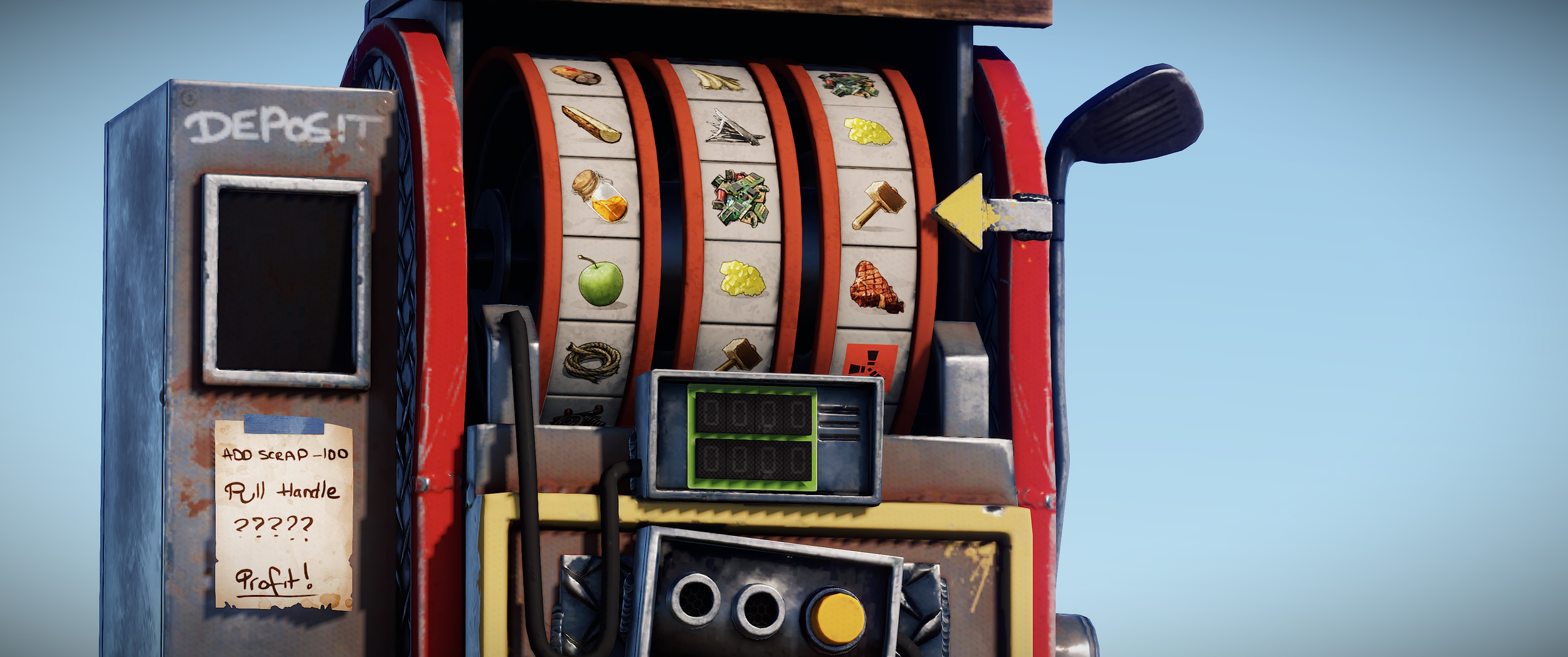
Scroll through any slot lobby on a phone, and you’ll take a strange trip in under a minute. Pyramids and golden scarabs. Red lanterns and coiled dragons. Viking longships, Greek temples, painted skulls with marigolds. Someone hunting for a slot gacor might not even notice, but nearly every game they pass borrows its look from a real culture somewhere in the world. Designers do this for good reasons, and it’s worth knowing what those themes actually do.
Why Themes Feel Familiar So Quickly
A theme gives a game instant meaning. You don’t need a tutorial to understand that a golden mask is valuable or a dragon is powerful. The culture has already done that work.
That familiarity matters on a small screen. A player deciding between forty thumbnails will usually tap the one whose story they grasp in a second.
The Themes That Keep Returning
- Ancient Egypt. Pharaohs, tombs, hidden treasure. Probably the most common theme of all.
- East Asian luck symbols. Red and gold, koi fish, the number eight.
- Norse myths. Gods, runes, thunder, and stormy seas.
- Greek legends. Temples, lightning bolts, heroic quests.
- Celebrations of remembrance. Bright skulls and flowers inspired by Mexico’s Day of the Dead.
- Irish folklore. Shamrocks, rainbows, pots of gold.
Some feel cosy and festive. Others feel tense, almost cinematic, with deep drums under every spin. The theme sets the mood long before the first win or loss.
Lucky Symbols Don’t Change the Odds
Here’s a belief worth addressing directly. Many people feel drawn to games packed with luck symbols, red envelopes, golden eights, four-leaf clovers, as if those designs pay more. Some even treat a themed title as a slot gacor, a game that’s supposedly hot or generous. They aren’t. The theme is artwork. The return to player and volatility are set separately, and a dragon on the reels does not affect what the random number generator produces.
So why does the feeling persist? Because these symbols carry real meaning in people’s lives. Wearing red at New Year or carrying a lucky charm feels natural, so it’s easy to extend that feeling to a game. The comfort is genuine. The effect on results isn’t.
Respect Matters in Design
Not every themed game handles culture well. Critics have pointed out that some designs reduce rich traditions to cartoon stereotypes. Thoughtful studios now research symbols carefully and sometimes consult people from the culture they’re depicting. You can often tell the difference. Careful artwork feels warmer and more believable.
Common Questions
- Do themed games pay differently from plain ones? Pay-outs depend on the game’s maths, not its artwork.
- Why are Egyptian themes so common? Treasure and discovery fit naturally with the idea of hidden rewards.
- Can a theme affect how long someone plays? It can. Engaging stories and music often make sessions feel shorter than they are.
- Where can I see a game’s real odds? In its info screen, which usually lists the return to player.
Picking with Clear Eyes
Next time a theme catches your attention, enjoy the artwork, then open the info screen before spinning. Check the return to player and volatility. Choose based on those numbers and your budget, and let the theme simply be the scenery.